Tokyo · shopping
Meeting point
1Ginza Six
Modern Luxury Redefined
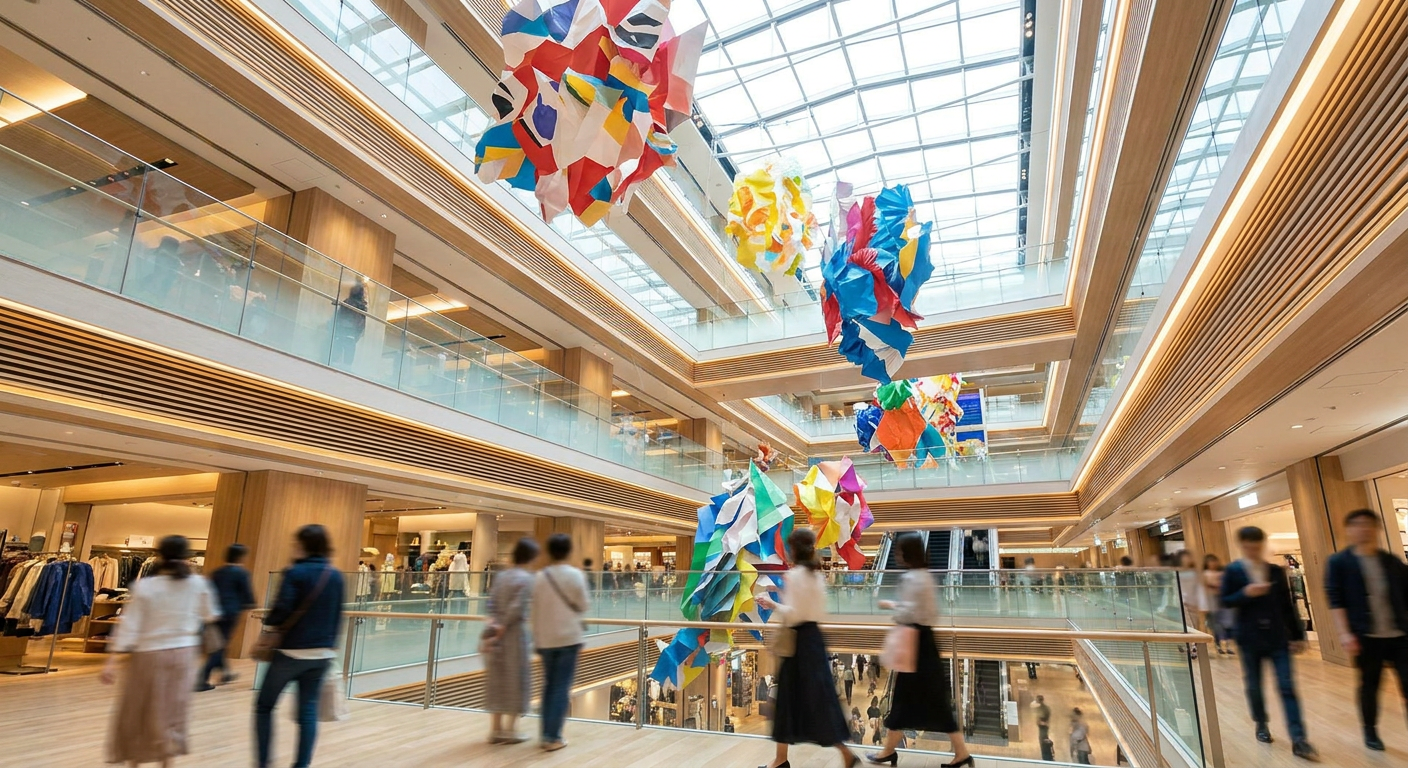
Ginza Six stands as a beacon of high-end retail architecture in the heart of Tokyo's most sophisticated district. This massive complex replaced the historical Matsuzakaya department store, transforming the site into a curated hub of fashion, art, and gastronomy. Visitors are immediately struck by the dramatic atrium, which frequently showcases site-specific installations from world-renowned contemporary artists like Yayoi Kusama. Beyond the luxury brand boutiques, the rooftop garden offers a serene escape with sweeping views of the city skyline. It is a place where retail therapy meets high culture, representing the pinnacle of Japanese urban design and consumer elegance. Each floor offers a distinct aesthetic journey through the latest trends.
 2
2Ameyoko Market
The Bustling Heart of Ueno
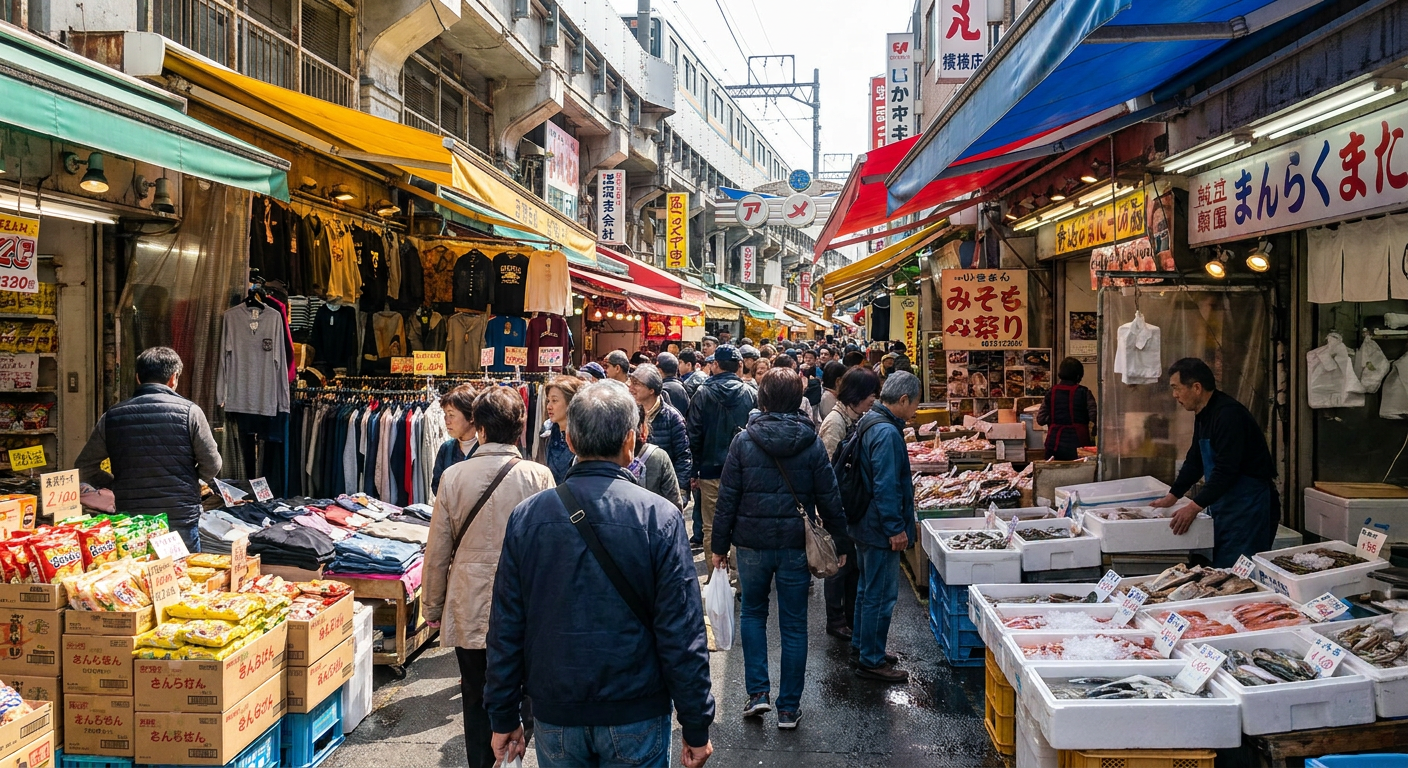
Ameyoko is a vibrant, chaotic open-air market located along the train tracks between Ueno and Okachimachi stations. Historically known for the sale of surplus American goods after World War II, the market has evolved into a treasure trove of discount fashion, cosmetics, fresh seafood, and unique street snacks. As you navigate the narrow alleys, you will hear vendors shouting their prices and see crowds haggling over dried seaweed or trendy sneakers. It is arguably the most energetic shopping destination in Tokyo, offering an authentic glimpse into the city's gritty, commercial roots. The sensory overload here is part of the charm, as the smell of grilled octopus competes with the sight of glittering, affordable jewelry and local sweets.
 3
3Shimokitazawa South West Area
The Vintage Capital
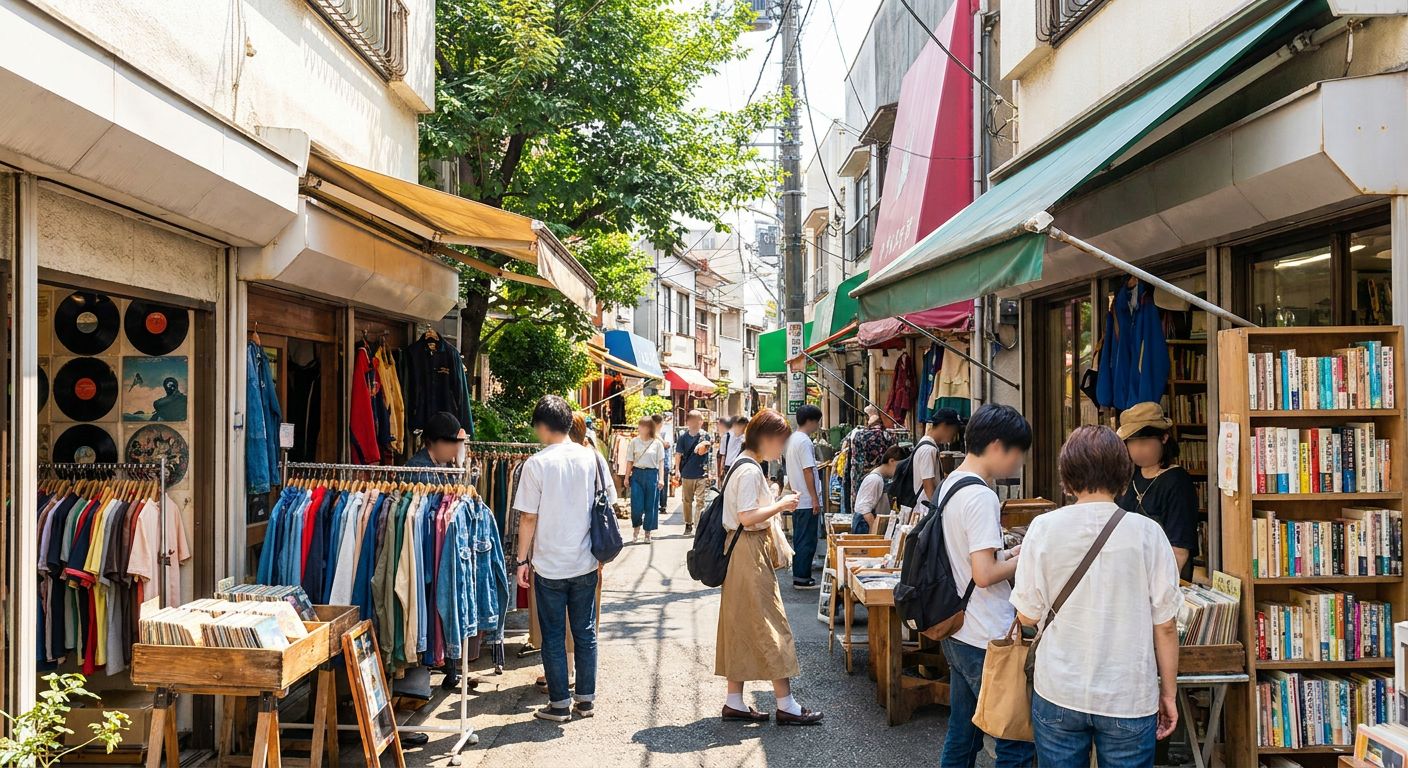
Shimokitazawa is a bohemian enclave that serves as the primary destination for vintage clothing hunters in Tokyo. Unlike the polished malls of Ginza or Shinjuku, this neighborhood is defined by its labyrinthine alleys filled with small, independent shops specializing in retro fashion, imported vinyl, and antique books. The shopping experience here feels more like a treasure hunt than a typical retail excursion, as each boutique is uniquely decorated to reflect the owner's personal taste. As you explore the area, the pace of life slows down significantly, encouraging travelers to pop into cozy cafes between browsing racks of curated denim and leather jackets. It is the perfect place to discover a one-of-a-kind garment that tells its own local story.
- 4
Kappabashi Street
The Kitchenware Wonderland
Known affectionately as Kitchen Town, Kappabashi is a specialty shopping street dedicated entirely to culinary tools and restaurant supplies. Located between Ueno and Asakusa, this district is famous for its hyper-realistic plastic food samples, which have become a quintessential souvenir for tourists. Beyond the mock meals, chefs and home cooks alike flock here to find professional-grade Japanese knives, cast iron pans, and intricate lacquerware that you simply cannot find in standard department stores. The street is lined with specialized wholesalers that have operated for generations, each offering deep expertise in their respective craft. It is a fascinating, focused experience that celebrates the incredible precision and art behind Japanese cooking and dining culture.
 5
5Omotesando Hills
Architecture Meets Fashion
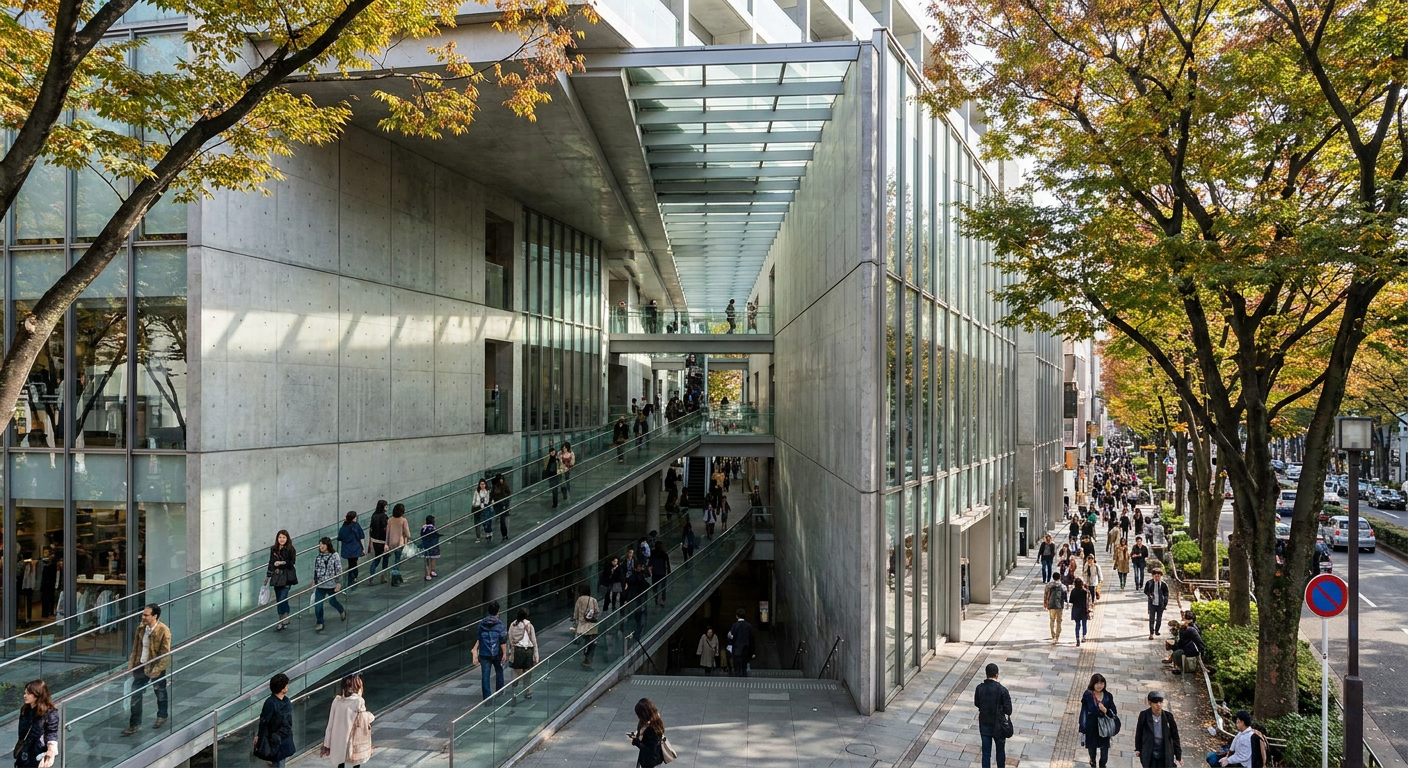
Designed by the Pritzker Prize-winning architect Tadao Ando, Omotesando Hills is a landmark shopping complex that seamlessly integrates into the famous zelkova-lined boulevard of Omotesando. The interior is characterized by a series of gently sloping ramps that spiral through the multi-level space, allowing shoppers to move from floor to floor without needing stairs. This architectural fluidity complements the high-fashion boutiques and design-forward galleries housed within its walls. The building itself is an exploration of light and minimalist concrete, creating a serene environment that feels worlds apart from the frantic energy of nearby Shibuya. It remains a prime destination for those seeking luxury labels alongside a masterclass in modern Japanese architectural design.
 6
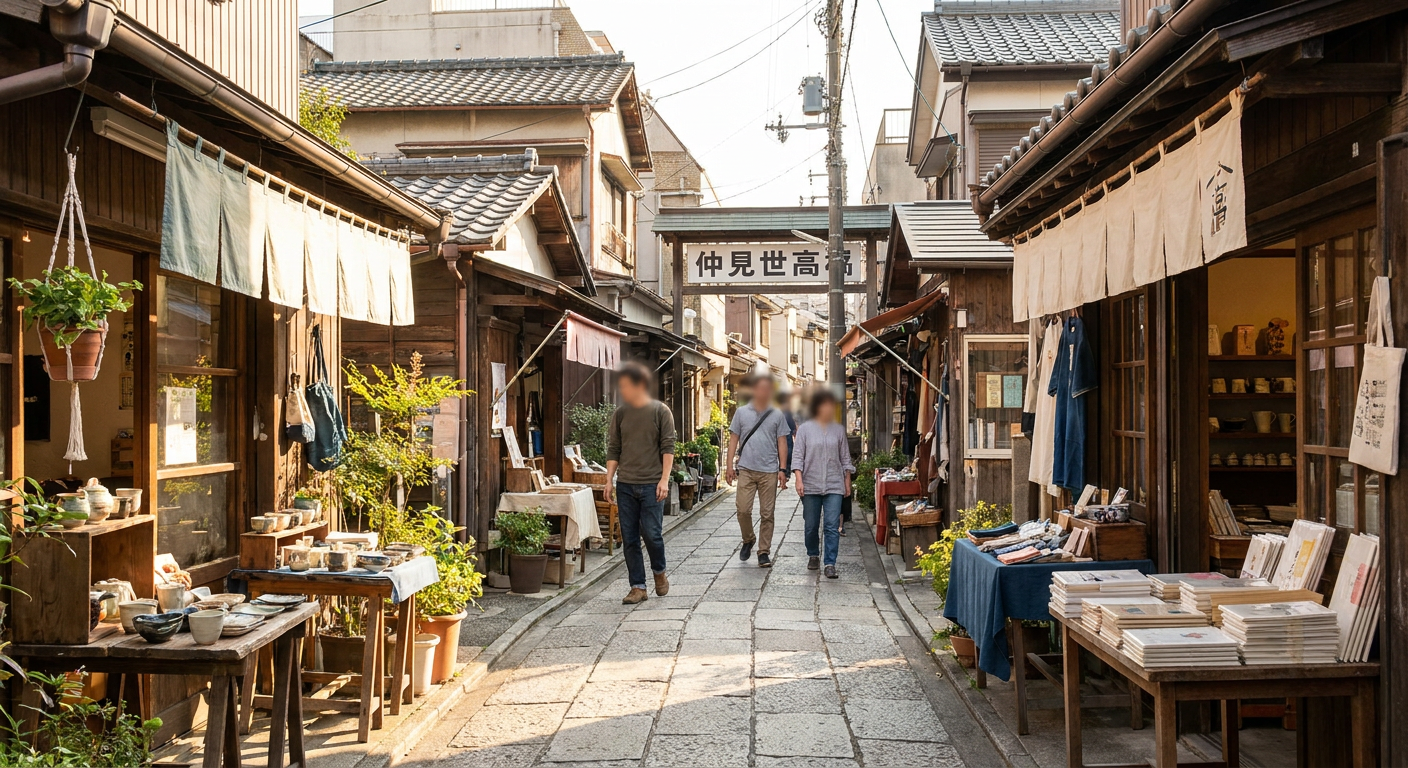
6Nakamise-daka Market (Suga)
Hidden Local Finds
Tucked away in the residential pockets near Yotsuya, Suga area offers a different perspective on Tokyo shopping through its small, hyper-local markets and boutique craft stores. This neighborhood is far removed from the massive mall culture, focusing instead on artisan pottery, hand-bound journals, and small-batch lifestyle goods. Walking through these quiet streets feels like entering a secret garden of commerce, where shopkeepers are often the artisans themselves. The atmosphere is quiet, deliberate, and deeply respectful of traditional Japanese aesthetics, making it the perfect destination for travelers who prefer a slower, more thoughtful shopping experience. You will leave with items that feel truly personal and connected to the daily life of Tokyo's long-term residents.
- 7
Nakano Broadway
The Otaku Mecca
Nakano Broadway is a multi-story shopping complex that serves as a legendary destination for collectors of anime figures, vintage toys, and rare manga. While it may look like an aging residential shopping mall from the outside, the interior is packed with hundreds of small stalls managed by enthusiasts who have curated some of the most impressive collections in the world. From high-end vintage collectibles that sell for thousands of dollars to cheap, nostalgic plastic charms, the diversity of goods is staggering. It offers a fascinating look into the subcultures of Akihabara but with a more localized, community-driven vibe. Collectors and curious visitors alike can spend hours getting lost in the narrow hallways and dusty display cases of this unique cultural archive.
- 8
LaLaport Toyosu
Bayfront Retail and Leisure
Located on the waterfront, LaLaport Toyosu is a massive, family-friendly mall that combines a wide variety of domestic and international brands with stunning views of Tokyo Bay. The design incorporates elements of the original shipbuilding dock that once occupied the site, creating a unique industrial aesthetic that contrasts beautifully with the modern retail environment. Visitors can browse fashion, enjoy meals at restaurants overlooking the water, or catch a movie at the integrated cinema. It serves as a social hub for the surrounding residential neighborhood, providing a relaxed atmosphere that is quite different from the high-pressure shopping centers of central Tokyo. The outdoor deck provides a beautiful vantage point to watch ships traverse the bay during the golden hour.
- 9
Kichijoji Sunroad
The Friendly Neighborhood Arcade
Kichijoji Sunroad is a bustling, covered shopping arcade that epitomizes the charming, livable nature of Tokyo's western suburbs. As you walk through the long, brightly lit tunnel, you will find an eclectic mix of long-standing family businesses, modern clothing chains, drugstores, and affordable food stalls. This street is always active with local residents going about their daily shopping, giving it a very authentic and welcoming vibe. It leads into the broader Kichijoji district, which is famous for its unique spirit and density of independent cafes. Sunroad manages to feel both convenient and characterful, providing an excellent cross-section of what Japanese suburban retail looks like in the twenty-first century without the intimidation of big tourist centers.
- 10
Jiyugaoka Sweets Forest
A Confectioner's Paradise
Jiyugaoka is a refined neighborhood known for its boutique European-style architecture and its concentration of high-quality patisseries. The Sweets Forest serves as a themed retail and dining complex dedicated entirely to the art of desserts, featuring several counters where master pastry chefs create delicate, photo-worthy treats. The shopping here is focused on fine teas, baking supplies, and beautifully packaged confectionery gifts that represent the very best of Tokyo's gift-giving culture. Browsing through the elegant streets of Jiyugaoka after visiting the forest feels like taking a short trip to a quiet corner of Paris, albeit with a uniquely Japanese attention to detail and impeccable customer service standards. It is a refined, delicious destination for those with a sweet tooth.
- 11
DiverCity Tokyo Plaza
The Land of the Giant Robot
DiverCity Tokyo Plaza in Odaiba is famous primarily for the life-sized Gundam statue that stands guard outside its main entrance. Inside, the mall is a massive destination for pop culture, fashion, and technology-themed retail. It captures the futuristic essence of the Odaiba waterfront, catering to fans of Japanese animation, gaming, and high-tech lifestyle products. The mall features several floors of interactive stores, theme cafes, and large-scale retailers, making it a dream for those looking to immerse themselves in Japan's media-driven consumer culture. Watching the Gundam statue transform or light up at night is a quintessential experience that highlights the blending of entertainment and commerce in modern Tokyo. It is a high-energy environment built for entertainment.
- 12
Akihabara Radio Kaikan
The Vertical Bazaar of Electronics
Radio Kaikan is an iconic, multi-story landmark in Akihabara that serves as a dense vertical bazaar for all things digital, mechanical, and pop-cultural. Known for its distinct yellow sign, it has been a fixture of the area for decades, evolving from a radio parts marketplace to a multi-level haven for trading cards, hobby figures, and obscure electronic components. Each floor is a dense maze of glass cases, where independent collectors and shops display their wares. The atmosphere is intense, with shoppers moving quickly between stalls in search of rare finds. It perfectly encapsulates the frantic, information-dense energy that defines Akihabara. For anyone interested in the intersection of technology and fandom, this building is a mandatory stop.
- 13
Ebisu Garden Place
Elegant Urban Living
Ebisu Garden Place is a sophisticated complex built on the site of a former brewery, offering a mix of upscale retail, fine dining, and cultural spaces. It is known for its open plaza, which creates a feeling of European-style public space rarely found in the dense, crowded districts of Tokyo. The shopping here is focused on quality and lifestyle, with carefully curated interior design shops, high-end groceries, and fashion boutiques. The surrounding streets are filled with some of the city's best casual dining, making it a complete destination for an evening of browsing and fine food. The area is particularly beautiful during the winter months, when the entire plaza is illuminated by one of Tokyo's most celebrated festive light displays.
- 14
Sendagaya Apparel District
Where Designers Shop
Sendagaya is an understated, elegant neighborhood that has quietly become a hub for Tokyo's fashion industry insiders. Unlike the commercial glare of Harajuku, the shopping here is tucked into quiet streets, consisting of designer showrooms, high-end independent boutiques, and minimalist concept stores. It is common to see fashion editors and buyers browsing the racks in these small, airy spaces. The style is typically subtle and high-quality, favoring Japanese minimalism and technical textiles. Visiting Sendagaya is a professionalized shopping experience, offering a look at the industry's cutting edge away from the tourist path. The pace is slow, the aesthetics are clean, and the quality of goods is unparalleled for those who appreciate design over labels.
- 15
Azabu-Juban Shopping Street
Old Tokyo Charm
Azabu-Juban retains the nostalgic, village-like atmosphere of Tokyo before the era of massive skyscrapers and mega-malls. The neighborhood features a long, pedestrian-friendly shopping street lined with traditional mochi shops, specialized tea merchants, and upscale bakeries that have served the community for generations. Because the area is surrounded by embassies and international residents, the shops offer a fascinating blend of local Japanese heritage and international influence. You will find everything from ancient-looking incense stores to sleek modern cafes, all living in harmony along the cobblestone paths. It is a wonderful place for a stroll, especially in the late afternoon, as the lanterns start to flicker on and the street fills with the delicious scent of street food.
- 16
Yanaka Cemetery Periphery
Artisanal Crafts and Quiet Alleys
While Yanaka is famous for its historic cemetery, the periphery is home to a cluster of quiet, artisanal shops that specialize in woodblock prints, handmade ceramics, and traditional paper goods. This area is the antithesis of modern commercial Tokyo, focusing on slow-made items that celebrate the spirit of the 'shitamachi' or old town neighborhood. You will find tiny workshops where craftsmen still use techniques passed down through generations. The experience of shopping here is highly personal, involving slow interactions with shop owners who are passionate about their craft. It is an essential destination for anyone looking for authentic Japanese souvenirs that carry the weight of history and the touch of a human hand, rather than factory production.
- 17
Omotesando B-Sides
Hidden Design Treasures
While the main Omotesando avenue is famous for its flagship brand stores, the true retail magic happens in the 'B-side' alleys that branch off from the main boulevard. These narrow, winding streets house the most interesting independent boutiques in Tokyo, offering avant-garde fashion, underground streetwear labels, and hidden gallery spaces. The architecture here is diverse, ranging from small, cozy wooden houses converted into shops to sleek, minimalist glass boxes. Browsing these alleys requires curiosity, as the best shops often have unassuming entrances or are located on the second floor of nondescript buildings. It is a rewarding experience for those willing to look past the obvious and explore the deeper, more creative pulse of the city's retail scene.
© Tour content by the tour guide · Shared on Here Got What