Malacca's Timeless Footsteps: A Journey Through History
Meeting point
1Stadthuys
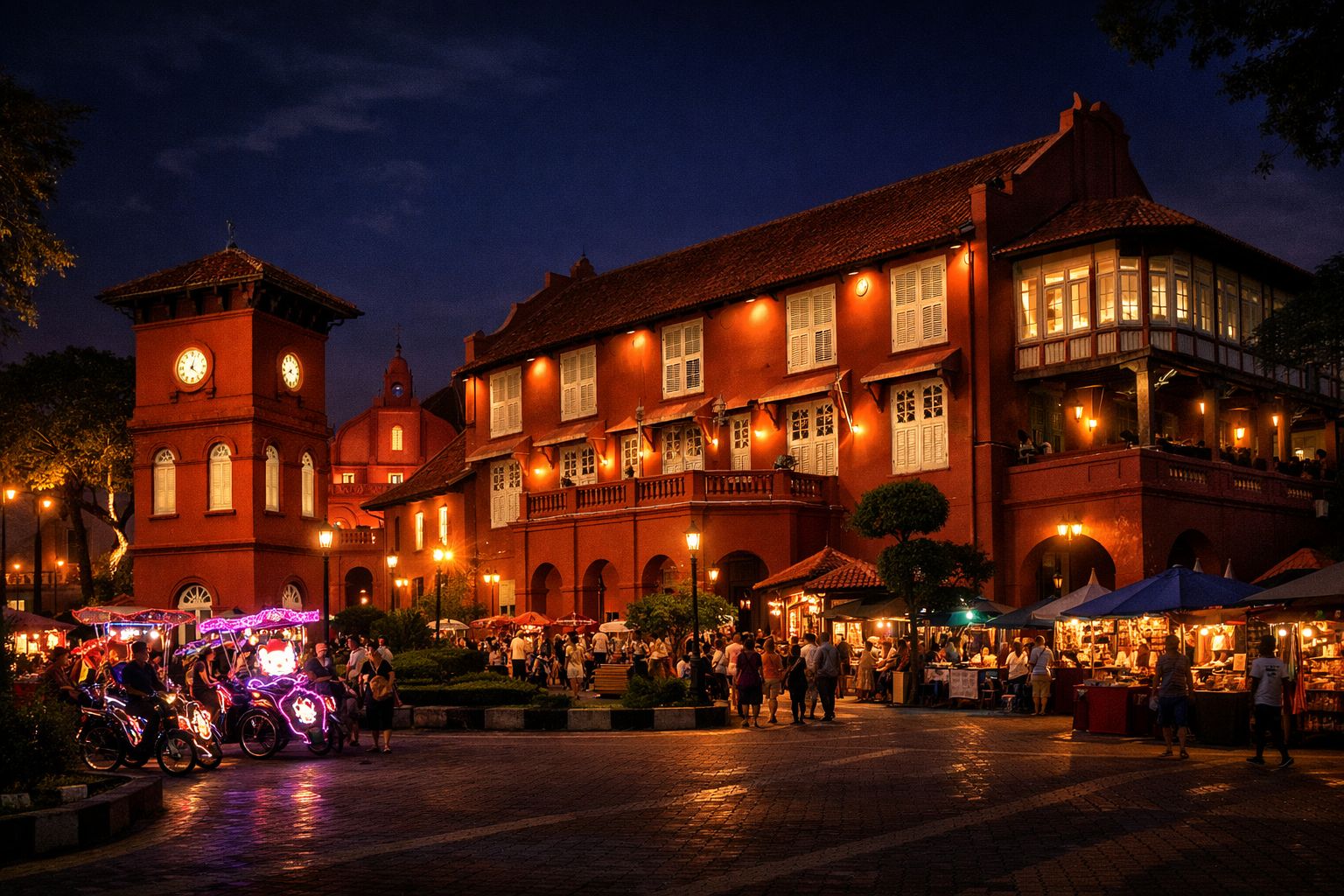
The Red Square's Dutch Heartbeat
Welcome to the Stadthuys, an iconic symbol of Malacca's colonial past! This striking red building, meaning 'town hall' in Dutch, is the oldest surviving Dutch administrative building in the East, dating back to 1650. Its vibrant terracotta facade and thick walls have witnessed centuries of change, from Dutch colonial rule to British administration, and finally, Malaysian independence. Imagine the bustling activities, the official pronouncements, and the daily lives of those who worked within these very walls. Today, it houses the History and Ethnography Museum, offering a fascinating glimpse into Malacca's rich heritage. Take a moment to admire the architecture, soak in the historical atmosphere, and let your imagination transport you back to a time when Malacca was a thriving port under Dutch influence. This building isn't just bricks and mortar; it's a testament to enduring power and cultural exchange.
 2
2Christ Church
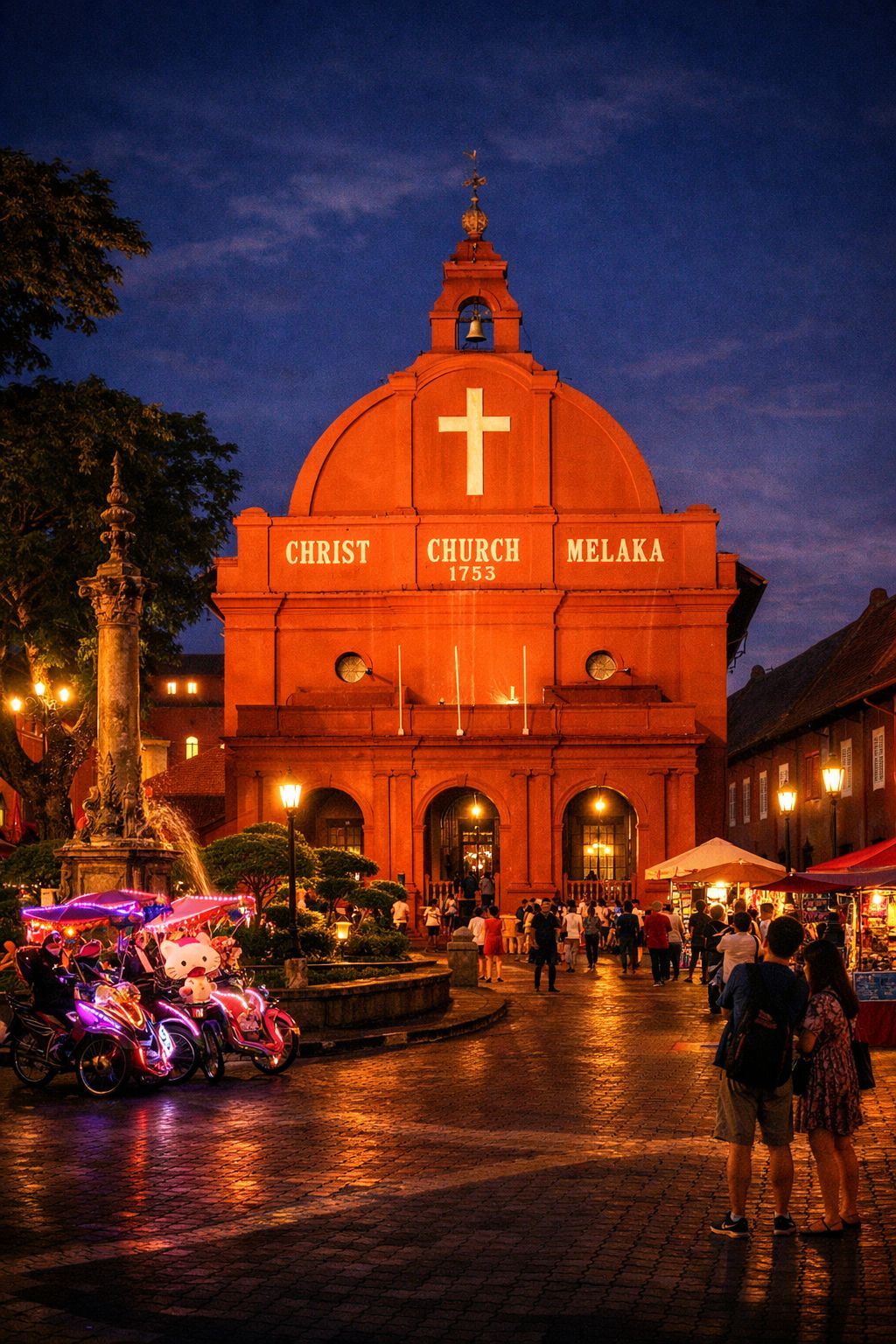
A Sanctuary of Faith and Time
Just next to the Stadthuys, you'll find Christ Church, another stunning example of Dutch colonial architecture and a cornerstone of Malacca's spiritual history. Built in 1753 to commemorate a century of Dutch rule, its distinctive red brick and white cross stand out proudly in the heart of the city. Step inside and you'll be greeted by an interior that feels remarkably preserved, with its original pews, ceiling beams made from local timber, and unique stained glass windows depicting scenes from the Bible. The floor is adorned with tombstone carvings, a poignant reminder of the early European settlers. This church has continuously served as a place of worship for over 250 years, making it a living testament to faith and resilience. It's a peaceful respite from the bustling square outside, offering a moment for reflection amidst historical grandeur. Notice the intricate details that tell stories of bygone eras.
 3
3Queen Victoria's Fountain
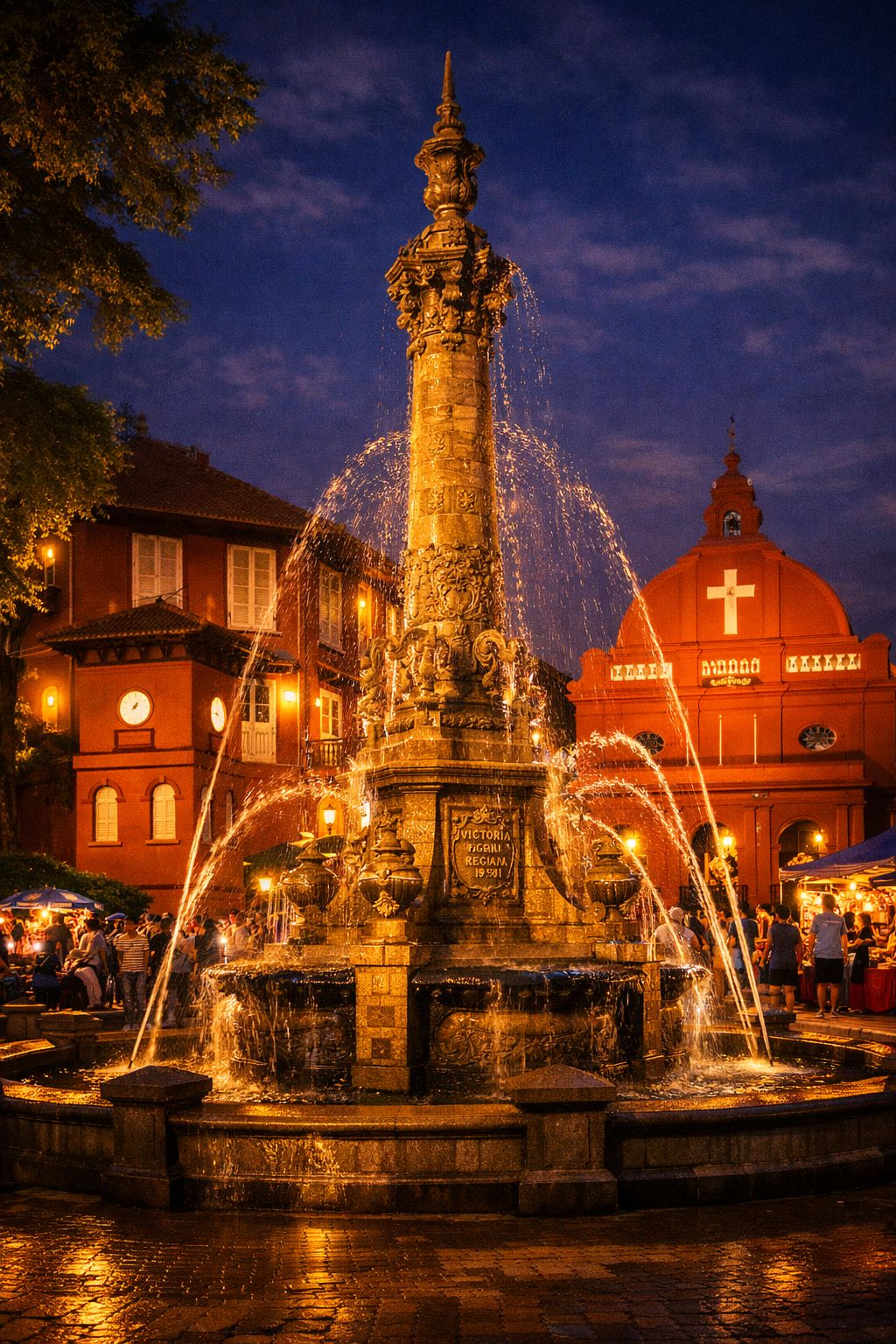
A Victorian Oasis in a Tropical Land
Directly in front of Christ Church, you'll discover Queen Victoria's Fountain, a charming and elegant fixture that adds a touch of British grandeur to the Dutch Square. This fountain was erected in 1904 to commemorate Queen Victoria's Diamond Jubilee, a significant event in British imperial history. It's a beautiful example of Victorian design, complete with intricate carvings and elegant details, and stands as a lasting symbol of the British colonial presence in Malacca. While the Dutch influence is strong in this area, the fountain reminds us that Malacca's story is one of multiple colonial powers. It’s a popular spot for photos, and its refreshing waters offer a pleasant contrast to the warm tropical climate. Take a moment to admire its craftsmanship and consider the blend of cultures that have shaped this unique city. It’s a small, yet significant, piece of history waiting for your attention.
 4
4A Famosa (Porta de Santiago)
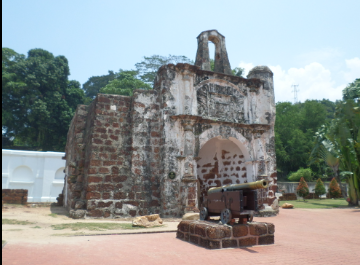
Echoes of a Portuguese Fortress
Now, let's journey further back in time to the Portuguese era! We're headed to A Famosa, or what remains of it, specifically the Porta de Santiago. This sturdy gate is all that's left of a massive fortress built by the Portuguese in 1511, shortly after they conquered Malacca. Originally, the fortress had four main towers and high walls, designed to protect the city from invading forces. Over the centuries, much of it was destroyed by the Dutch and later by the British, but luckily, Sir Stamford Raffles, founder of Singapore, intervened to save this gate from complete demolition. Stand here and imagine the Portuguese soldiers patrolling the walls, the sounds of cannons, and the bustling trade ships entering the port, all under the shadow of this formidable structure. This gate is a powerful reminder of Malacca's strategic importance and its turbulent past as a coveted trading hub. It really is a window into a bygone, powerful era.
 5
5St. Paul's Church
A Hilltop Haven with Panoramic Views
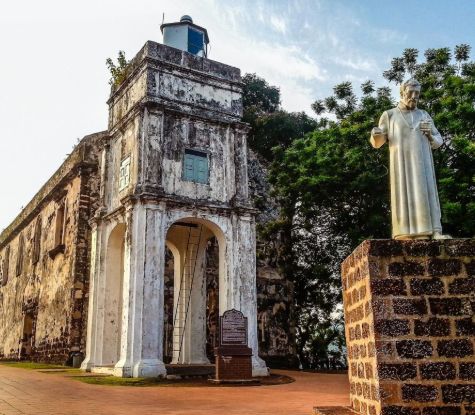
Ascend the hill from A Famosa, and you'll reach the atmospheric ruins of St. Paul's Church. This church holds a special place in Malacca's religious history, originally built by a Portuguese captain in 1521, making it the oldest church building in Malaysia. After the Dutch conquest, it was reconsecrated as St. Paul's. The most famous resident here was St. Francis Xavier, a revered Catholic missionary whose body was temporarily interred here before being moved to Goa, India. You can even see his empty tomb within the church walls. From this elevated position, enjoy breathtaking panoramic views of Malacca city, the straits, and the surrounding coastline. Imagine the countless ships that have sailed these waters over the centuries, all visible from this very spot. The crumbling walls and moss-covered stones add to its mystique, inviting you to reflect on the passage of time and the many lives that have worshipped and passed through these sacred grounds.
 6
6Malacca Sultanate Palace Museum
A Glimpse into Royal Splendor
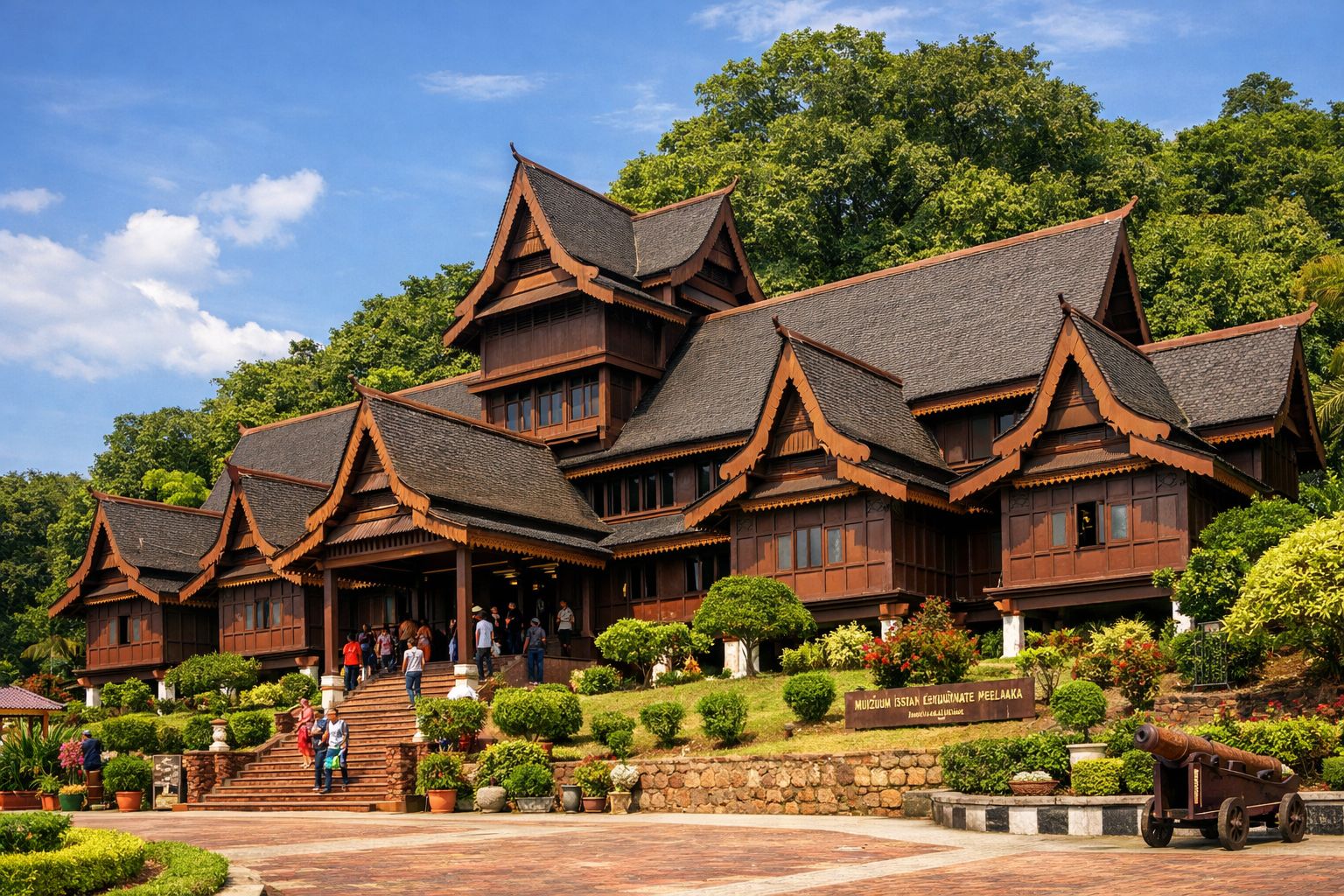
Descend from St. Paul's Hill and discover the Malacca Sultanate Palace Museum, a stunning replica of the 15th-century palace of Sultan Mansur Shah. This magnificent wooden structure, built without a single nail, offers a fascinating insight into the glory days of the Malacca Sultanate, a powerful Malay kingdom that flourished from the 15th to the early 16th century. Step inside and you’ll find exquisite dioramas, historical artifacts, and traditional costumes that bring the royal court to life. Learn about the intricate social structure, the vibrant trade routes, and the rich cultural traditions that defined this powerful empire. The museum beautifully captures the essence of a bygone era, reminding us of Malacca's origins as a Malay kingdom before the arrival of European powers. It’s a wonderful way to connect with the indigenous history and understand the foundations upon which this complex city was built.
 7
7Chetti Museum
A Unique Crossroads of Culture
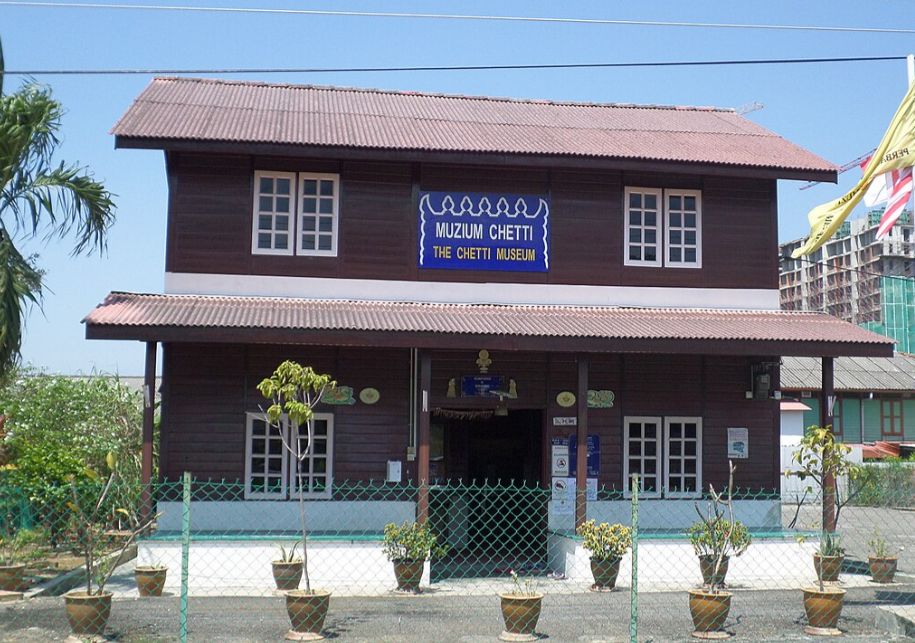
Next, let's explore a truly unique community – the Chettis of Malacca. Head over to the Chetti Museum, which offers a captivating glimpse into the distinct culture of the Malacca Chetti community, also known as the Peranakan Indian. This small but fascinating museum showcases their unique blend of Indian and Malay traditions, a result of centuries of intermarriage and cultural assimilation. You'll see traditional clothing, household items, musical instruments, and photographs that tell the story of their heritage. The Chettis, like the Peranakan Chinese (Baba-Nyonya), are a testament to Malacca’s incredible ability to foster new identities through cultural fusion. It's a wonderful opportunity to learn about a lesser-known but equally significant part of Malacca's diverse tapestry. Their story is a beautiful example of how communities adapt and thrive in a multicultural environment, creating new and distinct ways of life.
 8
8Jonker Street (Jonker Walk)
A Cultural Kaleidoscope and Shopper's Delight
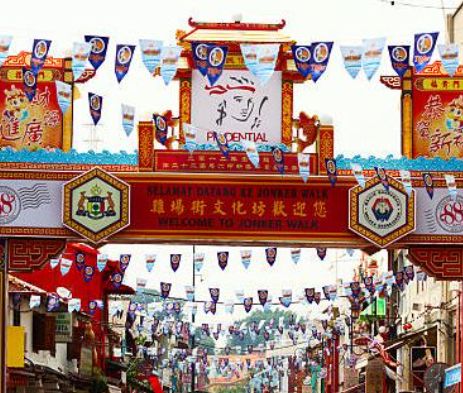
Now, let's dive into the vibrant heart of Malacca's Chinatown – Jonker Street, also known as Jonker Walk! This bustling street is a feast for the senses, lined with antique shops, art galleries, boutique hotels, cafes, and restaurants. Historically, it was the street where the wealthy Baba-Nyonya communities resided, and you can still see traces of their elaborate shophouses. While it’s famously known for its lively night market on weekends, even during the day, Jonker Street offers a fantastic atmosphere. Browse for unique souvenirs, sample delicious local snacks like cendol or satay, or simply soak in the lively ambiance. It's a place where history meets modern commerce, and every corner promises a new discovery. This street is truly the beating pulse of Malacca, showcasing its rich Peranakan heritage and dynamic spirit. Don't forget to look up at the architecture – it tells a story too!
 9
9Cheng Hoon Teng Temple
A Sanctuary of Harmony and Heritage
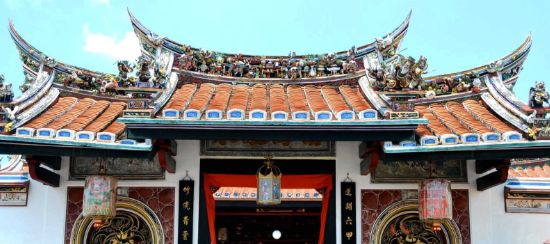
Just a short walk from Jonker Street, you'll find the serene Cheng Hoon Teng Temple, the oldest functioning traditional Chinese temple in Malaysia. Founded in 1645, this temple is a masterpiece of traditional Chinese architecture, built with materials imported from China. It practices the three main doctrines of Taoism, Confucianism, and Buddhism, showcasing the religious harmony that has long existed in Malacca. Notice the intricate carvings, colorful ceramic decorations, and the majestic roof adorned with mythical creatures – each detail tells a story. This temple has been a vital spiritual and community center for the Chinese population for centuries, a place for worship, gatherings, and preserving cultural traditions. Take a moment to appreciate the peace and artistry within its walls, and reflect on the enduring faith and rich cultural contributions of the Chinese community to Malacca's identity. It truly is a testament to cultural resilience and spiritual devotion.
 10
10Kampung Kling Mosque
A Blend of Malaysian and Sumatran Heritage
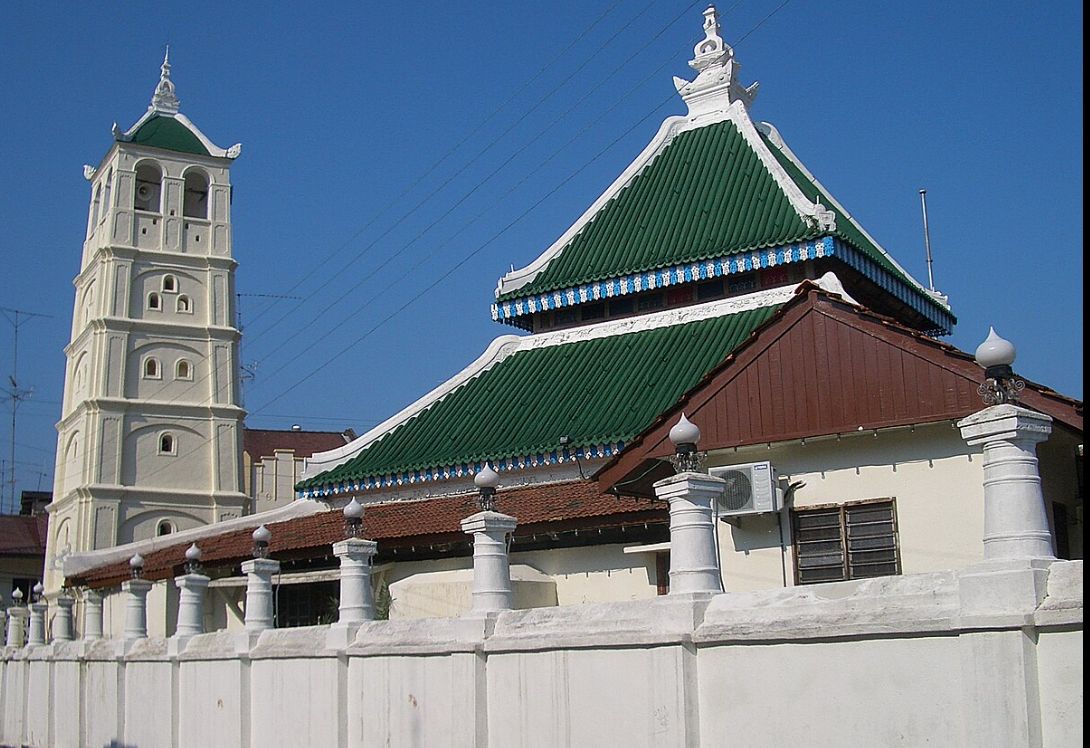
Continuing our journey of diverse places of worship, let's visit the Kampung Kling Mosque, located just next to Cheng Hoon Teng Temple. This historic mosque, built in 1748, is an incredible example of Malacca's unique architectural fusion. Unlike typical mosque designs, it features a three-tiered pyramidal roof, similar to those found in Javanese and Sumatran temples, and a pagoda-like minaret. Its architectural style beautifully blends Sumatran, Chinese, and European influences, reflecting the diverse communities that have called Malacca home. Step inside (respecting dress codes, of course) and you'll find a serene interior with ornate wooden carvings and a unique blend of Islamic and local aesthetics. This mosque serves as a powerful reminder of Malacca's long history of religious tolerance and the harmonious coexistence of different faiths and cultures. It's a wonderful stop to appreciate the rich tapestry of the city.
 11
11Sri Poyyatha Vinayagar Moorthy Temple
Ancient Hindu Devotion in the Heart of Malacca
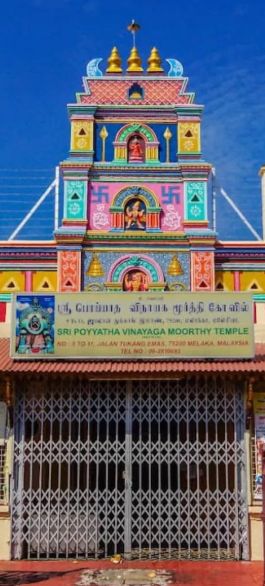
Completing our 'Harmony Street' exploration, let's visit the Sri Poyyatha Vinayagar Moorthy Temple. This beautiful Hindu temple, founded in 1781, holds the distinction of being one of the oldest functioning Hindu temples in Malaysia. Commissioned by a prominent Chetti leader, it is dedicated to Ganesha, the elephant-headed deity revered as the remover of obstacles. What's truly remarkable is its presence on the same street as a Chinese temple and a mosque, earning this area the nickname 'Harmony Street' or 'Street of Harmony'. This vibrant blend of places of worship within such a close proximity beautifully encapsulates Malacca's long-standing tradition of multiculturalism and religious tolerance. Observe the colorful sculptures, intricate carvings, and the distinct South Indian architectural style. It offers a wonderful insight into the Indian community's deep-rooted history and their significant contributions to Malacca's diverse cultural landscape.
© Tour content by the tour guide · Shared on Here Got What